
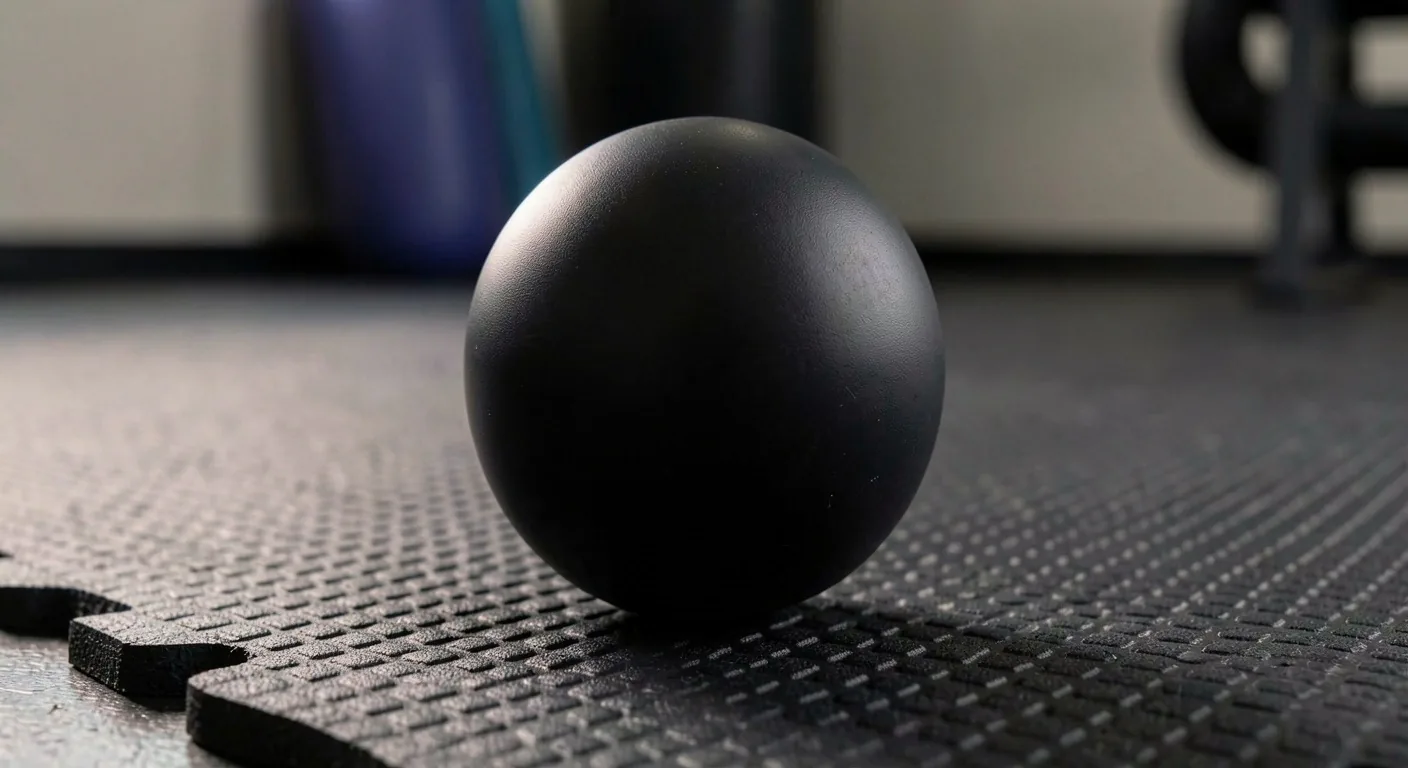
Myofascial Release & Recovery Tools
Targeted muscle maintenance for anyone who places physical demands on their body. Our MFR collection is built around self-directed pressure to manage muscle knots and physical tightness — from full-sized rollers to precision massage balls.
High-Density Foam Roller
Firm, compression-resistant surface for large muscle groups — quadriceps, hamstrings, upper back.
Peanut Massage Ball
Double-ball design cradles the spine, applying pressure to paraspinal muscles without direct bone contact.
Pressure, Direction, Recovery.
Myofascial release works on a straightforward principle: by applying steady, directed pressure to tight areas of muscle and connective tissue, you encourage the tissue to release its own tension. The tools in this collection are engineered to make that process precise, repeatable, and comfortable to perform on your own.
Every roller, ball, and textured surface here is chosen for its material density, grip behaviour, and durability under repeated use. Whether you are rolling out your quadriceps after a long run or working a stubborn knot along your thoracic spine, these are the instruments that help you maintain tissue quality between sessions.
MFR Tools for Every Muscle Group
Five tool categories, each addressing a different scale of muscle tissue — from broad sweeping rolls to pinpoint pressure on specific trigger points.
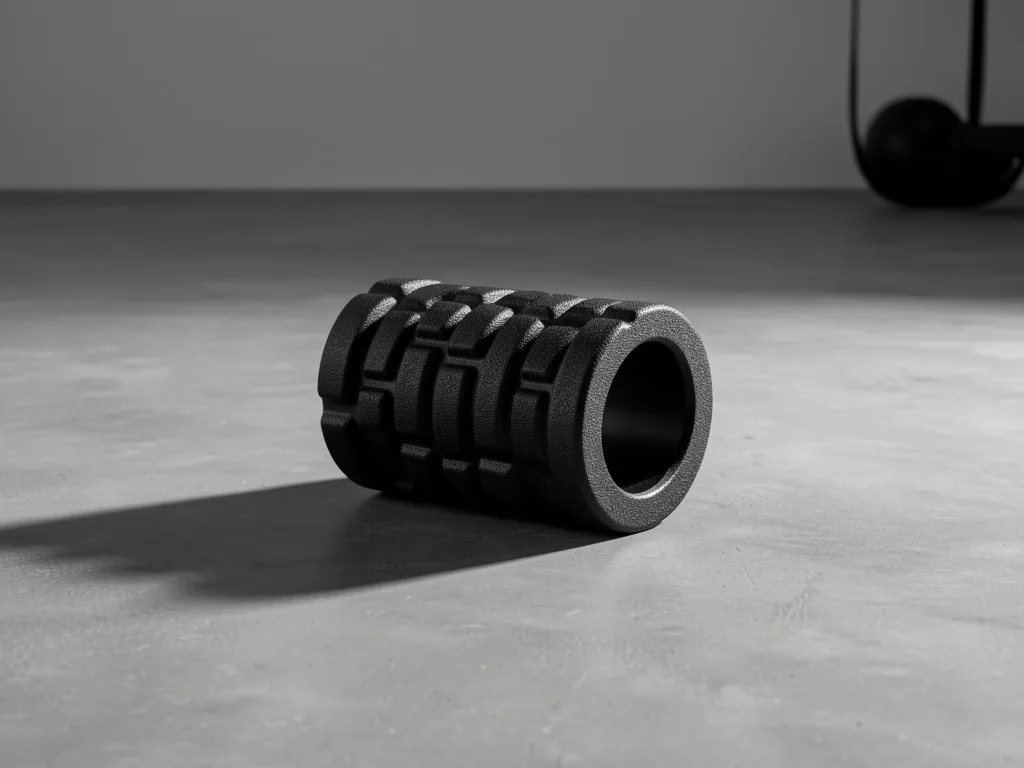
High-Density Foam Rollers
The cornerstone of any recovery kit. These rollers provide firm, even pressure across large muscle groups like the quadriceps, hamstrings, and upper back. The high-density foam resists compression, so the same level of intensity holds up after months of use.
- — Firm, compression-resistant surface
- — Ideal for large muscle groups
- — Improves overall circulation and tissue quality
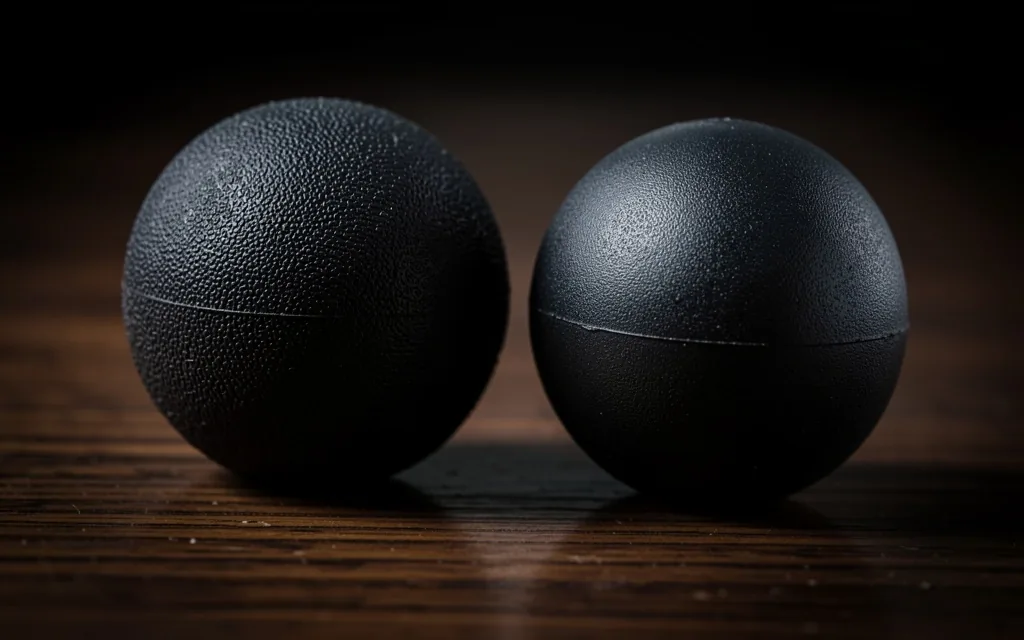
Precision Massage Balls
The most effective way to target specific, small areas of discomfort. Whether it is the arch of the foot or the deep gluteal muscles, the small surface area allows for focused pressure exactly where you need it.
Compact enough to carry in a bag — the easiest MFR tool to use at the office or while travelling.
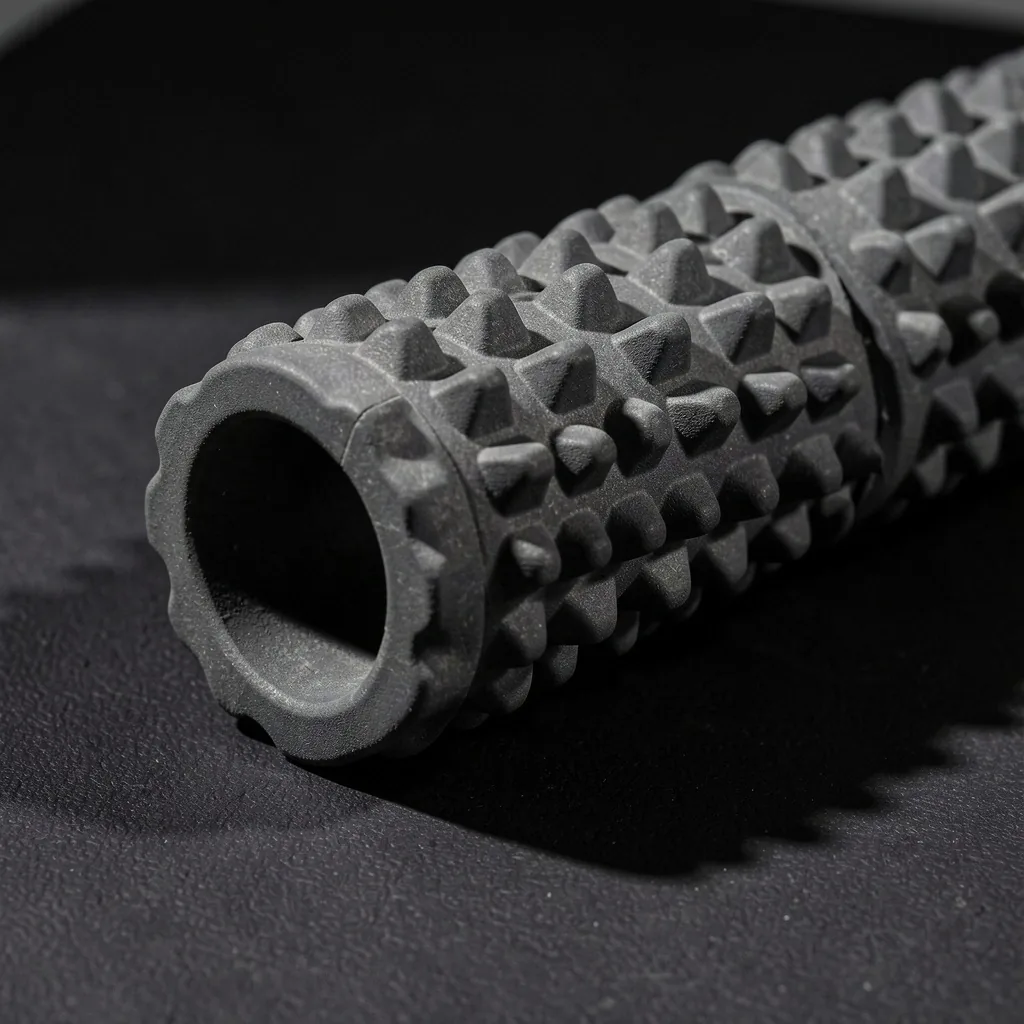
Textured Muscle Rollers
Ridges and bumps designed to mimic the feel of a therapist's thumbs — digging deeper into the fascia to break up persistent tension that smooth rollers cannot reach.
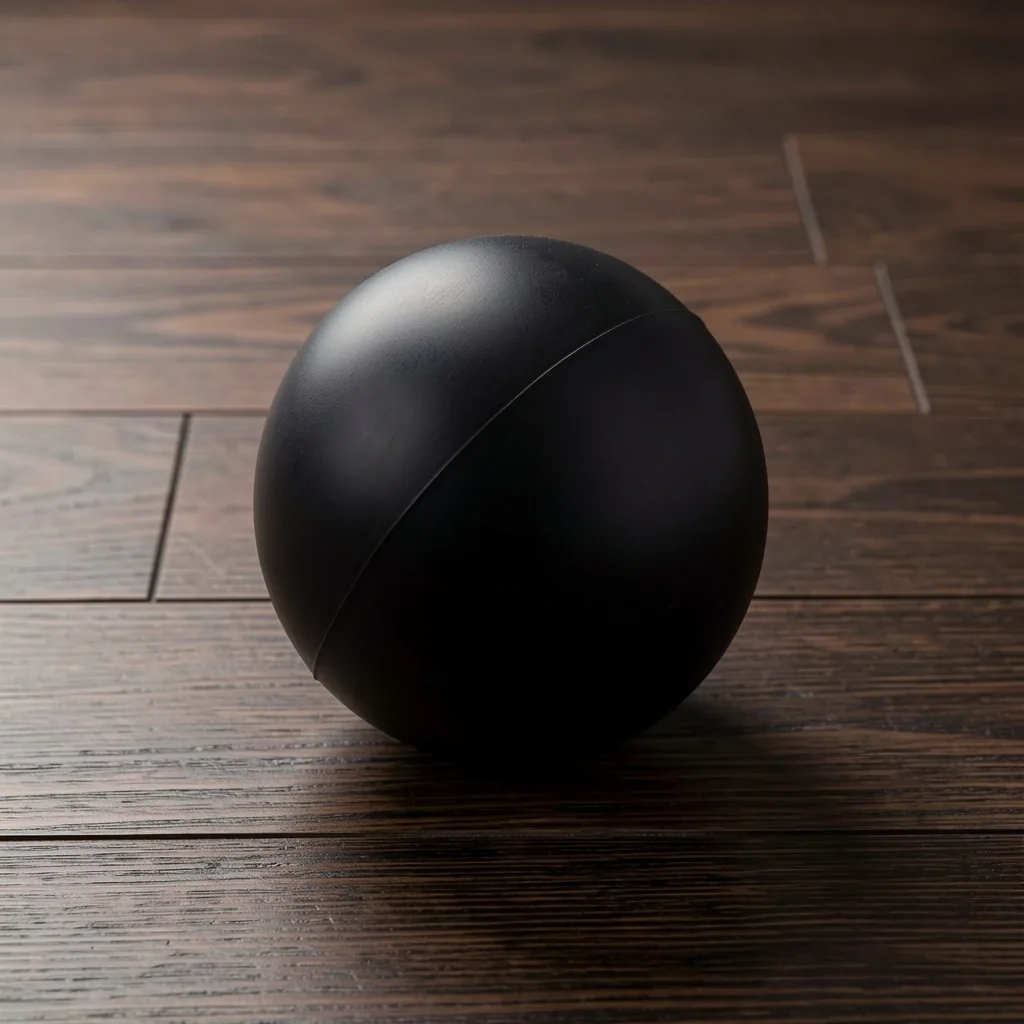
Peanut Massage Ball
The double-ball design cradles the spine while applying pressure to the muscles on either side — a safer, more stable tool for the neck and thoracic spine than two separate balls.
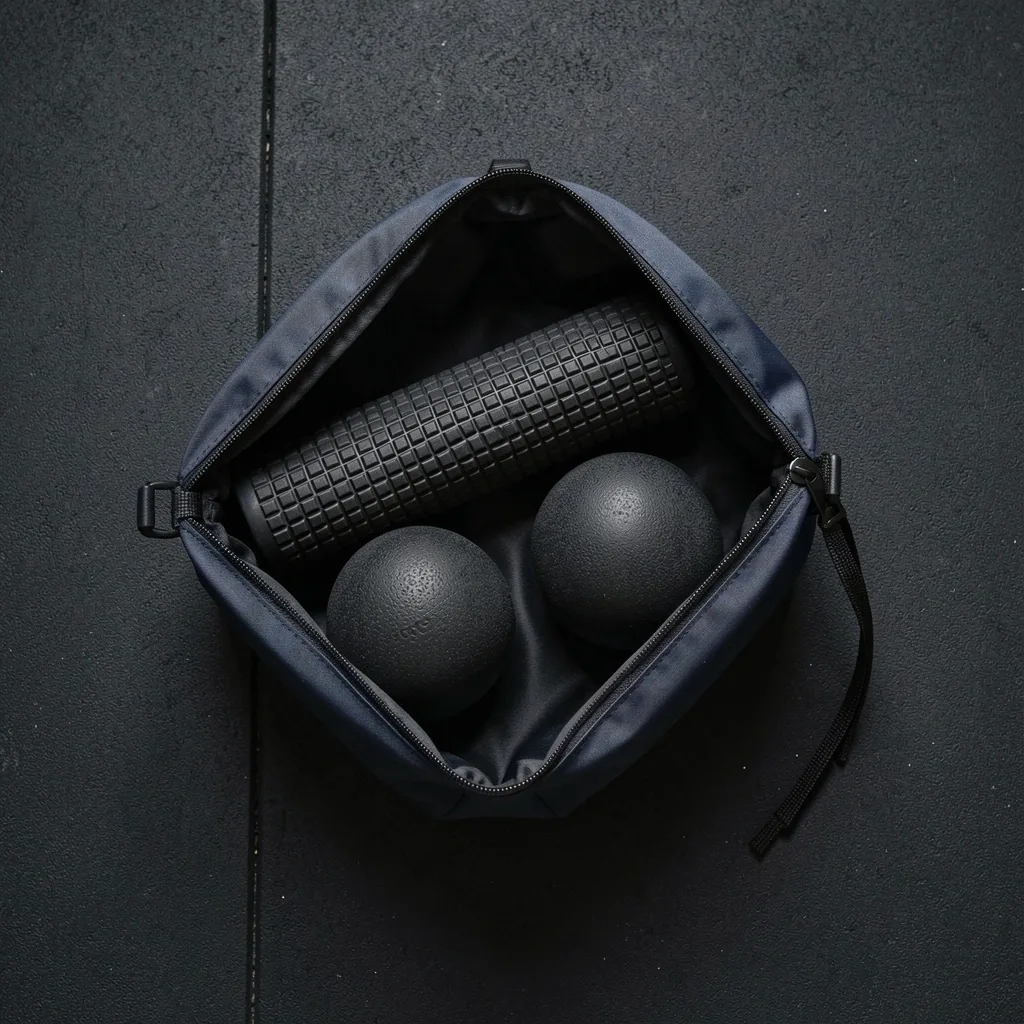
Portable Recovery Kit
Sized to fit a standard backpack. A small roller or set of balls used right after a gym session or long run — while muscles are still warm — supports a more efficient recovery process.
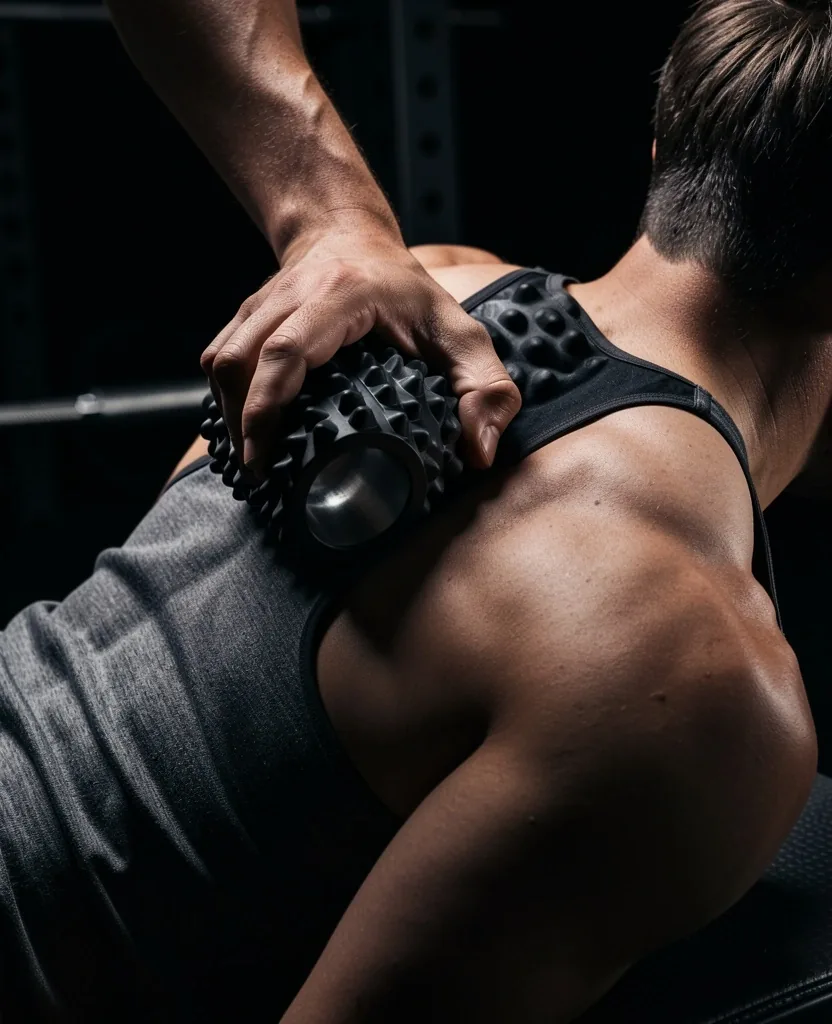
Breathe through the pressure. Avoid sharp sensations — aim for a productive discomfort that eases as the tissue releases.
How to Release Muscle Knots
A muscle knot — or trigger point — is a small area of tissue that has contracted and will not fully release on its own. The way to address it is straightforward: place a tool under the point, apply steady pressure, and let the muscle gradually let go of its contraction.
Locate the Trigger Point
Roll slowly along the muscle until you find a spot that feels tight or tender. Stop there.
Apply Steady Pressure
Hold the tool against the point and let your body weight settle in. Do not force it — gradual pressure works better than sudden weight.
Breathe and Hold
Stay on the point for 30 to 90 seconds. Breathe steadily. The sensation should ease as the tissue lets go.
Move On Gradually
Once the tension eases, continue rolling slowly along the full length of the muscle. Repeat as needed.
Our tools come in different firmness levels. If you are new to MFR, start with a standard-density roller and increase pressure gradually as your tissues become more resilient. The goal is productive discomfort — not sharp sensation.
Built for Grip, Hygiene, and Longevity
Non-Slip Surface
Safety during MFR depends partly on the tool's grip against the floor and your skin. We use non-slip materials that stay in place — preventing the tool from sliding out from under you mid-roll.
Closed-Cell Foam
The closed-cell foam used in our rollers is sweat-resistant and easy to wipe down after use. This keeps the surface hygienic regardless of how intense your session becomes.
Compression-Resistant
High-density construction means the foam resists flattening over time. The roller that arrives firm stays firm — the same level of pressure, month after month.
Travel-Ready Sizes
Many of our MFR tools are sized specifically for portability — fitting into a standard backpack so you can address tension right after a gym session or long run, while muscles are still warm.
Targeted Pressure
Massage balls and peanut tools let you apply focused pressure to small, specific areas — the arch of the foot, deep gluteal muscles, or along the paraspinal muscles flanking the spine.
Beginner-Friendly
New to myofascial release? Start with a standard-density foam roller. As your body adapts to the sensation of pressure, introduce smaller or firmer tools like the peanut ball. The goal is productive discomfort — not sharp sensation.
Over time, you will develop a better understanding of which tools work best for different parts of your body. Most people start with a single foam roller and build out their kit from there — adding massage balls for precision work and a peanut tool for the spine.
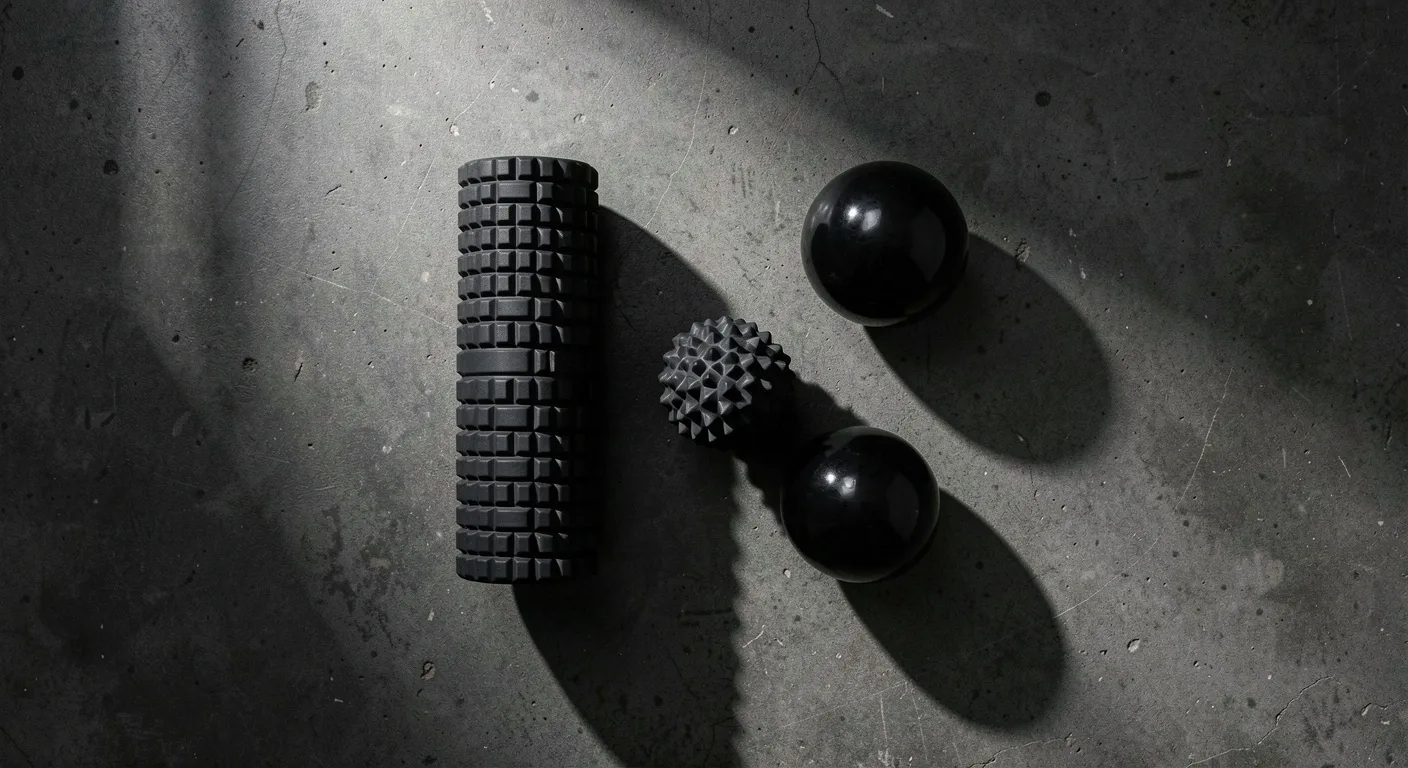
Recovery Does Not Stop at The Door
A small roller or a set of massage balls can be used immediately after a session at the gym or a long run. Addressing tension while muscles are still warm supports a more efficient recovery process — wherever you are.
Which Tool for Which Job?
Foam Roller
High-density
Large muscle groups — quadriceps, hamstrings, upper back
Textured Roller
Ridged surface
Deep tissue work, persistent tension, experienced users
Massage Ball
Single point
Specific trigger points — feet, glutes, shoulders
Peanut Ball
Double-ball
Spine, neck, thoracic paraspinal muscles
Pressure and portability ratings reflect typical use. Individual experience may vary based on body weight and technique.
Build Your Recovery Kit
Start with a foam roller. Add a massage ball for precision work. Bring a peanut tool for your spine. Every tool in this collection is chosen to help you maintain tissue quality and support post-workout recovery — for as long as you train.
Questions About Tool Sizing or Firmness?
Our team is available Monday through Friday, 9:00 to 18:00, to help you choose the right MFR tool for your routine.
12 Flex Lane
Clifton, Bristol
BS8 1QE
United Kingdom
Mon – Fri
9:00 — 18:00